Pomegra
---
Prices Spike to Multi-Year Highs Amid Historic Volatility
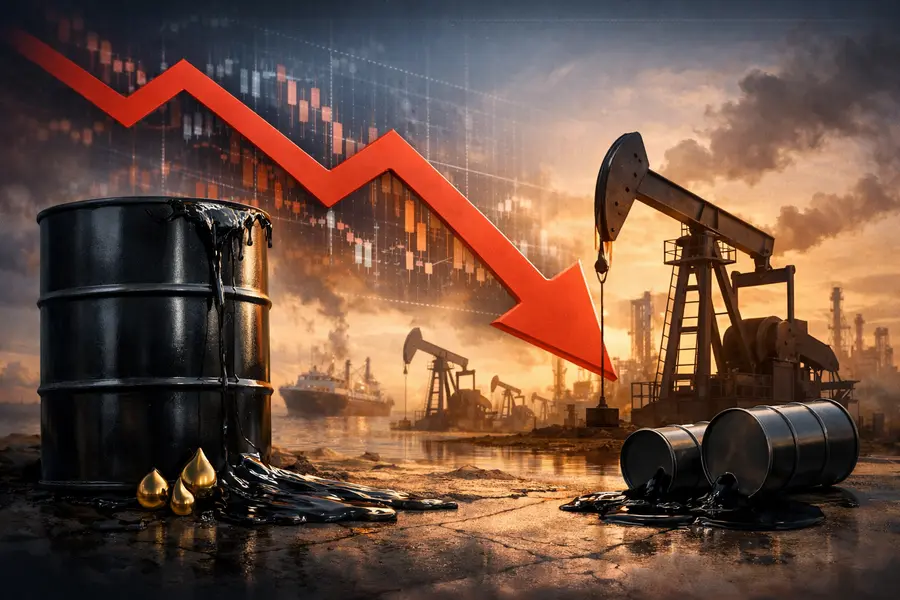
WTI crude oil surged to $101.70 per barrel on March 9, up +11.88% from the prior session, after briefly breaching $110 — its highest print since June 2022 — in early overnight trading. That intraday peak represented a 31% single-session spike, the largest one-day gain since April 2020. Brent crude climbed to $105.94 per barrel, advancing +14.29% on the day.The month-over-month surge of nearly 59% and a year-over-year gain of 54% underscored the seismic nature of the energy shock rippling through global markets. WTI crude settled at $102.88 in later trading while Brent pushed as high as $106.50, per live futures data.
---
Iraqi Production Collapses, Gulf Producers Slash Output
The proximate catalyst behind the supply disruption was a near-total shutdown of export flows through the Strait of Hormuz, the critical maritime chokepoint through which approximately 20% of global oil consumption transits daily. Tankers have abandoned the corridor amid Iranian threats against shipping.
Iraq, OPEC's second-largest producer, saw output at its three primary southern oilfields crater by 70% to just 1.3 million barrels per day (bpd), down from 4.3 million bpd before the conflict. Kuwait, OPEC's fifth-largest producer, announced precautionary cuts to both oil production and refinery output, citing direct threats to tanker passage. The United Arab Emirates disclosed it is "carefully managing offshore production levels" due to mounting storage constraints, while confirming that onshore operations remain intact. Qatar had separately halted LNG production the prior week, further amplifying the tightening of global energy supply.---
G7 Considers Emergency Strategic Reserve Release
Faced with energy market shock, G7 finance ministers convened an emergency call at 8:30 a.m. ET to evaluate a coordinated release of up to 400 million barrels from member nations' strategic petroleum reserves, an intervention last deployed in the aftermath of Russia's 2022 Ukraine invasion.
U.S. Energy Secretary Chris Wright signaled on CNN that ship traffic through the Strait of Hormuz would resume within weeks once Iran's threat capabilities are degraded, stating: "Worst case, that's a few weeks — that's not months." The U.S. also temporarily permitted India to purchase Russian crude already at sea as part of short-term supply relief measures. President Donald Trump, posting on Truth Social following WTI's $100 breach, characterized the oil price surge as a "very small price to pay" for neutralizing Iran's nuclear threat, adding diplomatic complexity to any near-term diplomatic resolution.---
Energy Equities Rally as Broader Markets Retreat
Energy sector stocks outperformed as Exxon Mobil (XOM) added +0.30% and held firm while the broader market came under severe pressure. The S&P 500 (US500) fell -1.51% to 6,638, the Dow Jones (US30) dropped -1.67% to 46,708, and the Nasdaq 100 (US100) declined -1.53% to 24,265. Asian markets registered steeper losses, with the Nikkei 225 collapsing -5.46% to 52,617. Heating oil futures surged +13.48% to $4.11 per gallon, while gasoline advanced +8.41% to $3.00 per gallon. European TTF natural gas exploded +20.20% to €64.17/MWh as the region scrambled to model alternative supply scenarios. Urals oil, Russia's primary export blend, surged +26.40% to $90.97 per barrel.---
Market Outlook: Supply Premium Entrenched
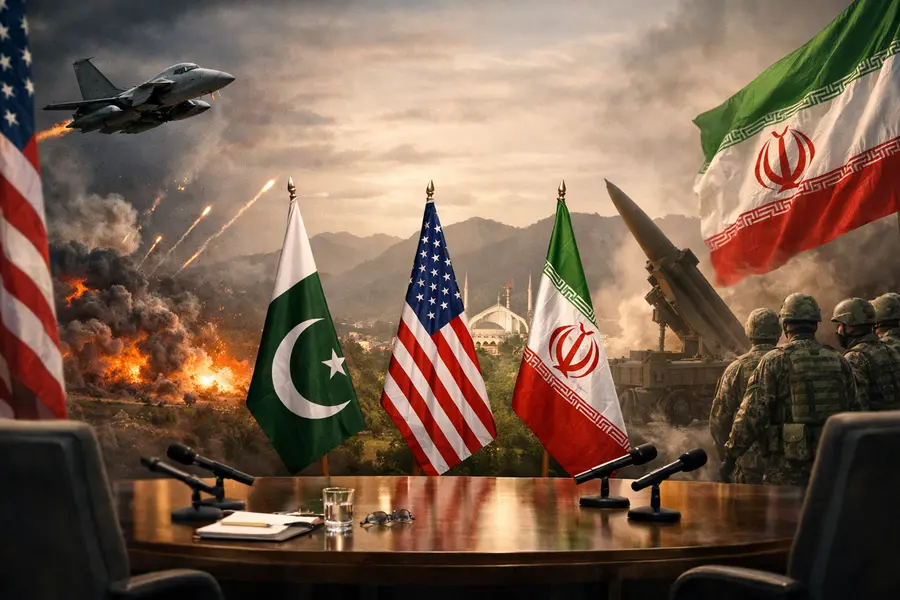
With Iran appointing Mojtaba Khamenei — son of the late Supreme Leader — as its new leader and explicitly ruling out an immediate ceasefire, the geopolitical risk premium embedded in crude markets shows no sign of abating. Saudi Arabia has already redirected shipments through Red Sea ports to bypass the Hormuz closure, while raising official selling prices for Asian buyers.
Forward market models now project WTI at $106.28/bbl by end of Q1 2026, with a 12-month target of $118.75/bbl, reflecting sustained structural tightness as long as Hormuz remains effectively closed. Strategic reserve releases, if executed, could provide a short-term ceiling — but market participants broadly assess that physical supply recovery hinges entirely on the military trajectory of the U.S.-Iran conflict.
---
Mentioned tickers: `USO`, `XOM`