Pomegra
Trump's Truth Social broadside against the Big Four beef processors sent Tyson Foods and JBS shares down more than 2.5% in premarket trading on August 28, elevating the threat of the most consequential U.S. agricultural antitrust action in decades.
- Trump said he is "authorizing legal documents" to grant farmers and ranchers the right to process their own food, targeting what he calls "a nasty Monopoly" in beef processing.
- Four firms - Tyson Foods, JBS, Cargill, and National Beef - control roughly 85% of U.S. beef processing, a concentration the DOJ is already probing under criminal antitrust statutes.
- TSN and JBSAY shed more than 2.5% in premarket on August 28; the sector is already losing approximately $300 per head of cattle as a 75-year supply trough squeezes margins.
Lead
President Donald Trump escalated his campaign against consolidated agribusiness on August 28, 2026, declaring on Truth Social that he was "authorizing legal documents to be drawn" to give farmers and ranchers the right to process their own food - a direct assault on the four companies that command roughly 85% of U.S. beef processing capacity. Shares of Tyson Foods (TSN) and JBS (JBSAY) fell more than 2.5% in premarket trading on the announcement, erasing hundreds of millions in market value from two of the industry's largest operators and signaling that investors are taking the threat seriously.
What Is Trump's Meat-Processing Order?
The planned executive action would deregulate the path for independent farmers and ranchers to slaughter and sell their own animals - bypassing a federal framework that has funneled the vast majority of U.S. beef through a handful of industrial processors for decades. Under existing law, ranchers face strict prohibitions on selling self-processed meat across state lines, with only narrow exemptions. Agriculture Secretary Brooke Rollins signaled a coordinated wave of accompanying measures: expanding interstate sales rights for ranchers, directing up to $500 million in USDA payments to small and mid-size processors - explicitly excluding the Big Four - and rescinding what the administration described as "outdated guidance" from the Food Safety and Inspection Service. Trump also announced the removal of tariffs on expanded ground beef imports, adding a supply-side lever alongside the structural deregulation push.
Why Did Tyson and JBS Shares Fall?
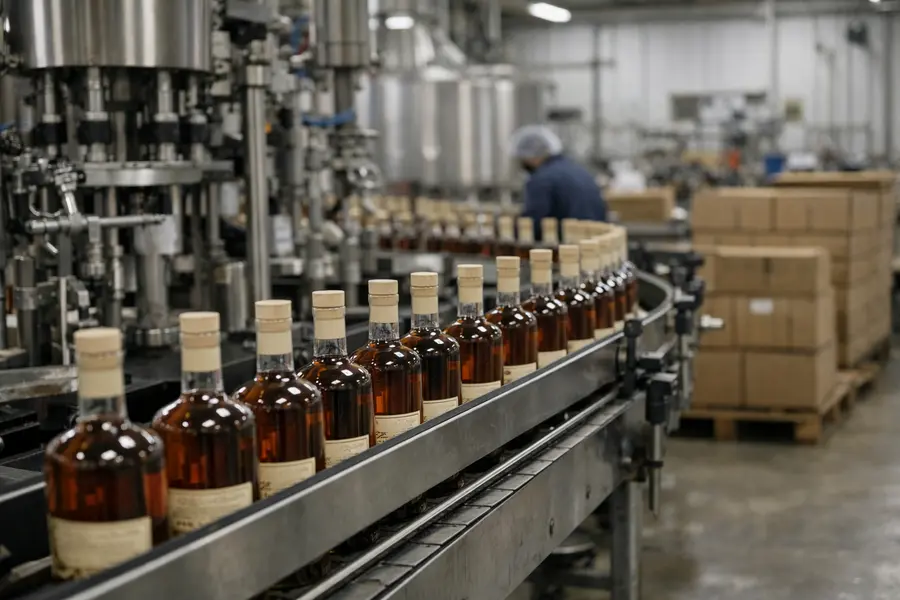
The premarket selloff reflects the direct threat to the oligopoly structure that has underpinned the Big Four's pricing power for decades. Cargill, Tyson Foods (TSN), JBS USA (JBSAY), and National Beef Packing Co. together control roughly 85% of U.S. cattle procurement. Any structural break in that concentration - whether through new independent processing capacity or a surge of USDA-backed smaller competitors - compresses margins for the incumbents. The sector is already under acute pressure: processors are losing approximately $300 per head of cattle as a historic supply trough, the tightest in 75 years, drives raw material costs above realized prices. Both Tyson and JBS have closed processing plants this year, with their beef segments operating in the red.
DOJ Investigation Adds a Second Front
The Justice Department has opened a criminal antitrust investigation into whether the largest meatpackers illegally coordinated to drive up consumer beef prices - a probe running in parallel with the White House's regulatory push. The twin tracks of executive deregulation favoring smaller rivals and a potential criminal case create a compound risk for the Big Four that markets began discounting after Thursday's announcement.
What Comes Next for the Beef Industry?
The administration has not published a timeline for the formal executive order, and the White House declined to provide implementation specifics. The path faces real obstacles: USDA inspection requirements, federal food safety standards, and state licensing regimes each need to be restructured before independent on-farm processing becomes commercially viable at scale. The Meat Institute warned that allowing uninspected meat into commerce risks damaging the United States' international standing as a safe food exporter. The policy's origins trace to a conversation between Trump and Glenn Beck, who owns a ranch and raised the issue of USDA regulations limiting ranchers' processing independence - a political lineage that underscores the populist pressure driving the initiative.
Outlook
Trump's announcement marks a decisive escalation in federal pressure on the Big Four meat processors, combining executive deregulation, $500 million in targeted USDA subsidies for smaller rivals, expanded import access, and a DOJ criminal probe into a single concentrated policy moment. Regulatory and legal timelines remain open, but the direction is unmistakable: Washington is moving against the beef processing consolidation that has defined U.S. agricultural markets for generations. For TSN and JBSAY, the near-term question is how much of that structural risk is already embedded in stocks that are already bleeding on a per-head basis - and how much repricing remains ahead if the executive order takes legal form.
Mentioned tickers: TSN, JBSAY