Pomegra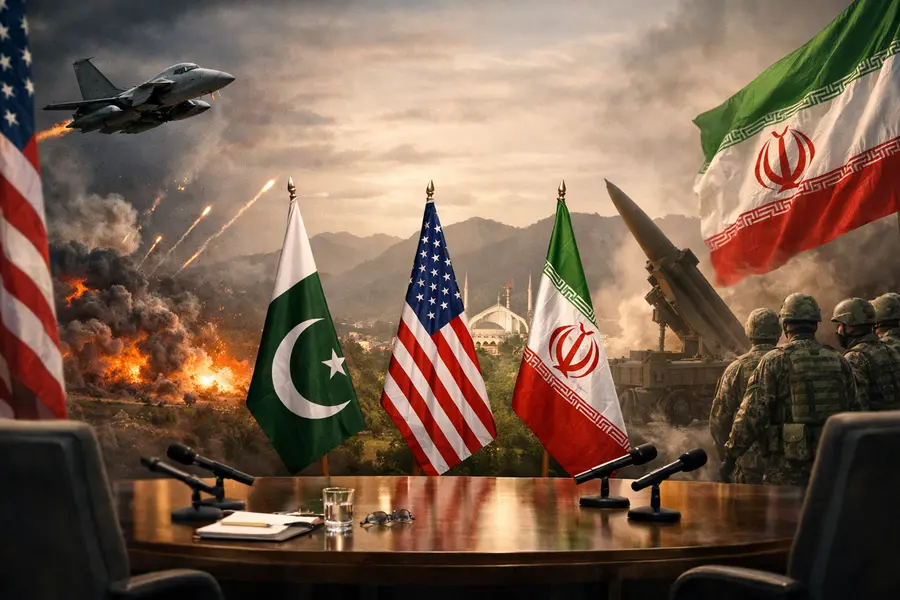
I now have comprehensive data to write the article. Composing it now.
- The US and Iran have halted exchanges of fire since July 7 as Qatar and Pakistan press both sides to return to Islamabad negotiations.
- More than 80 Iranian targets were struck over two days; Iran retaliated at 85 US military sites across Bahrain, Kuwait, Qatar, and Jordan.
- Brent crude climbed above $78 a barrel before easing 2% as mediators signaled progress in US Iran peace talks.
---
Washington and Tehran have stepped back from active hostilities, with mediators in Islamabad and Doha racing to convert a fragile operational pause into a durable Middle East truce before the 60-day Islamabad Memorandum window expires.
Lead
Washington and Tehran have observed a de facto halt in military operations since July 7, 2026, after one of the most intense exchanges of the conflict saw the United States strike more than 80 Iranian targets across two nights and Iran fire missiles and drones at 85 American military sites spanning Bahrain, Kuwait, Qatar, and Jordan. The operational pause — brokered informally by Qatar and Pakistan — has reopened a diplomatic corridor aimed at salvaging the Islamabad Memorandum, the June 17 accord that established a 60-day framework for a final settlement to the war.
What Happened
The immediate trigger was Tehran's decision to attack three commercial vessels transiting the Strait of Hormuz in early July, an apparent bid to assert Iranian sovereignty over fees charged on the waterway. The Trump administration responded swiftly: US Central Command launched a first wave of more than 80 strikes on July 7, and the Treasury Department simultaneously revoked a 60-day sanctions waiver that had authorized the sale of Iranian oil through August 21. A second night of strikes followed on July 8–9, hitting targets in southern Iran and, according to regional reports, parts of Tehran itself.
President Donald Trump declared the ceasefire "over" on July 7, though he subsequently indicated that diplomatic contact could continue. Iranian officials privately acknowledged to US administration advisers that attacking commercial shipping had been "a mistake," a signal that Tehran retained interest in a negotiated outcome despite its public posture of defiance.
No new kinetic exchanges have been recorded as of July 10–11, constituting a de facto pause in military operations even as neither government has formally announced one.
Strategic Context
The week of hostilities represents the most serious rupture to US Iran peace talks since the original April 8 ceasefire was brokered by Pakistan. That initial agreement led to the Islamabad Talks of April 11–12, 21 hours of negotiations led by Vice President JD Vance, special envoy Steve Witkoff, and senior adviser Jared Kushner on the American side, and parliamentary speaker Mohammad Bagher Ghalibaf alongside Foreign Minister Abbas Araghchi on the Iranian side. Though those talks ended without a breakthrough, they seeded the process that culminated in the Islamabad Memorandum signed remotely on June 17 by Trump and Iranian President Masoud Pezeshkian.
The MOU formalized a 60-day extension of the ceasefire and established the architecture for negotiating a permanent deal. Subsequent rounds in Doha on July 1–2 were described by US officials as making "positive progress" on Hormuz transit arrangements and Iran's nuclear program. That progress unraveled within days as Iranian forces moved to impose port fees on Hormuz shipping, colliding directly with a US redline.
Geopolitical Dimension
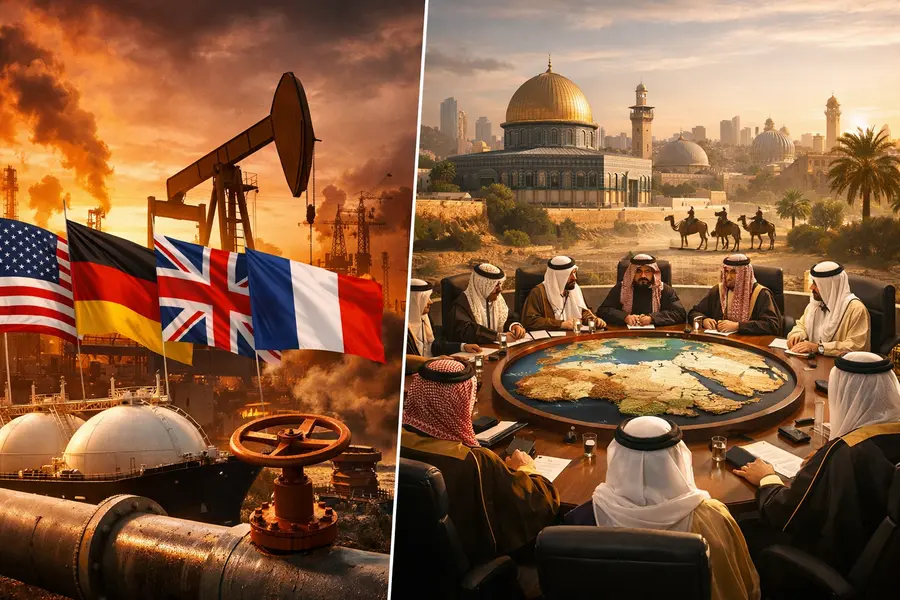
The Strait of Hormuz has become the central flashpoint of the entire negotiation. Roughly 20% of globally traded oil passes through the 33-kilometre-wide waterway. Iran's assertion of authority over commercial transit — including the right to levy fees — directly challenges international maritime law and the economic interests of every major oil-importing nation.
Pakistan has played an outsized diplomatic role throughout, hosting the original talks that gave the broader process its name and maintaining back-channel communications with both capitals. Qatar, hosting major US military infrastructure including Al Udeid Air Base, has served as the second track, with Qatari Emir Sheikh Tamim bin Hamad Al Thani meeting Witkoff and Kushner in Doha to reinforce mediation efforts. Pakistan's Prime Minister Shehbaz Sharif held a direct call with President Pezeshkian during the peak of the July escalation, a conversation credited with helping arrest the slide toward full-scale war resumption.Iran's negotiating posture has hardened around a prerequisite: Washington must demonstrate compliance with its obligations under the Islamabad Memorandum before a new session begins. Mohammad Marandi, a key Iranian negotiating figure, stated publicly on July 10 that formal Islamabad negotiations would not resume until the US fulfilled those commitments, a formulation that leaves the door open while maintaining leverage.
Market Reaction
Brent crude rose sharply above $76 a barrel on July 8 — its highest level in two weeks — before climbing further to $78.27 as markets priced in fresh Strait of Hormuz disruption risk. By July 9, prices retreated approximately 2% as mediators conveyed signals that a return to full-scale war remained unlikely. The Treasury's revocation of the Iranian oil sanctions waiver added a secondary supply-side shock, removing a limited volume of Iranian crude that had re-entered global markets during the ceasefire period.Defense-sector equities in the United States moved modestly higher during the strike period, while Gulf equity benchmarks experienced intraday volatility before stabilizing as the de facto pause took hold.
What Comes Next
The 60-day clock on the Islamabad Memorandum places a structural deadline on the diplomatic track. Mediators are pushing for a resumption of direct or proximity talks before that window closes, with Doha and Islamabad both cited as potential venues. The core unresolved issues remain the Strait of Hormuz transit regime, Iran's nuclear program, frozen Iranian funds held abroad, and the status of Iranian-backed forces in Lebanon.
Outlook
The Middle East truce that took shape from April through mid-June has proven fragile under the pressure of competing sovereignty claims over the world's most strategically important maritime chokepoint. The current operational pause offers a narrow but genuine opening for a return to Islamabad negotiations, with Pakistan and Qatar providing the diplomatic scaffolding that both Washington and Tehran require to step back without appearing to concede ground. Whether the pause can survive long enough to produce a binding agreement before the Islamabad Memorandum's deadline remains the defining question of the coming weeks.
Mentioned tickers: USO, BNO, XOM, CVX, RTX, LMT, NOC