Pomegra
---
---
Historic Strike on Iran's Supreme Leadership
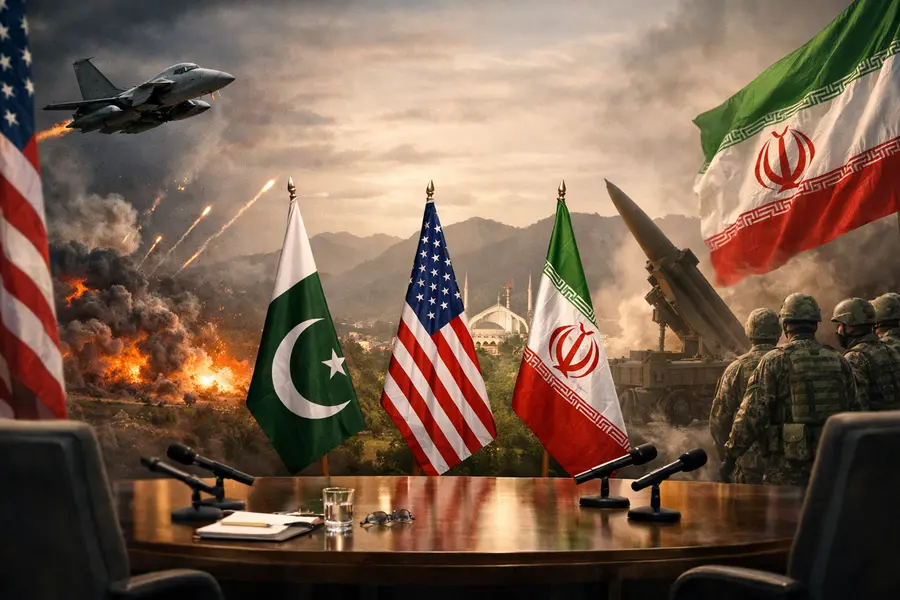
In the most sweeping military operation against Iran since the 1979 Islamic Revolution, the United States and Israel launched a coordinated assault on Tehran in the early hours of Saturday, February 28, 2026, directly targeting Supreme Leader Ayatollah Ali Khamenei and dozens of the Islamic Republic's top military and government officials.
Israeli officials confirmed Khamenei's death, with Prime Minister Benjamin Netanyahu publicly stating that "growing signs" point to the 86-year-old leader being "no more." U.S. President Donald Trump, monitoring the operation from a makeshift situation room at his Mar-a-Lago resort in Florida, told NBC News in a telephone interview: "We feel that that is a correct story," adding that "a large number of their leaders have also been killed."
Israel's Israeli Defense Forces (IDF) confirmed the deaths of seven senior Iranian officials, including Defense Minister Aziz Nasirzadeh, IRGC Commander Mohammad Pakpour, top Khamenei military adviser Ali Shamkhani, and Hossein Jabal-Amelian, chairman of SPND — Iran's weapons development organization with oversight over nuclear, biological, and chemical programs.
---
Operation Epic Fury: Decapitation Strategy
The operation, code-named "Operation Epic Fury" by the United States and "Operation Roaring Lion" by Israel, was triggered after Washington received intelligence indicating Iran planned to preemptively deploy its ballistic missile arsenal against American military assets across the Middle East.
A senior U.S. official stated: "We cannot continue to live in a world where these people not only possess missiles but the ability to make 100 of them a month in perpetuity, to overwhelm any potential defenses."
Israel's initial strikes targeted 30 key Iranian leaders in two locations in Tehran where senior regime figures had convened. Satellite imagery released following the attack shows Khamenei's compound reduced to smoldering rubble. Iran retaliated by firing approximately 170 ballistic missiles — roughly 150 aimed at Israel and dozens at U.S.-allied states in the region, including the United Arab Emirates, Qatar, and Saudi Arabia. One person was killed in Abu Dhabi. At least 90 Israelis were injured, with one seriously wounded in a Tel Aviv missile impact. Israel closed its airspace and ordered schools and most businesses shuttered for Sunday.
---
Oil Markets in Crisis — Strait of Hormuz Flashpoint
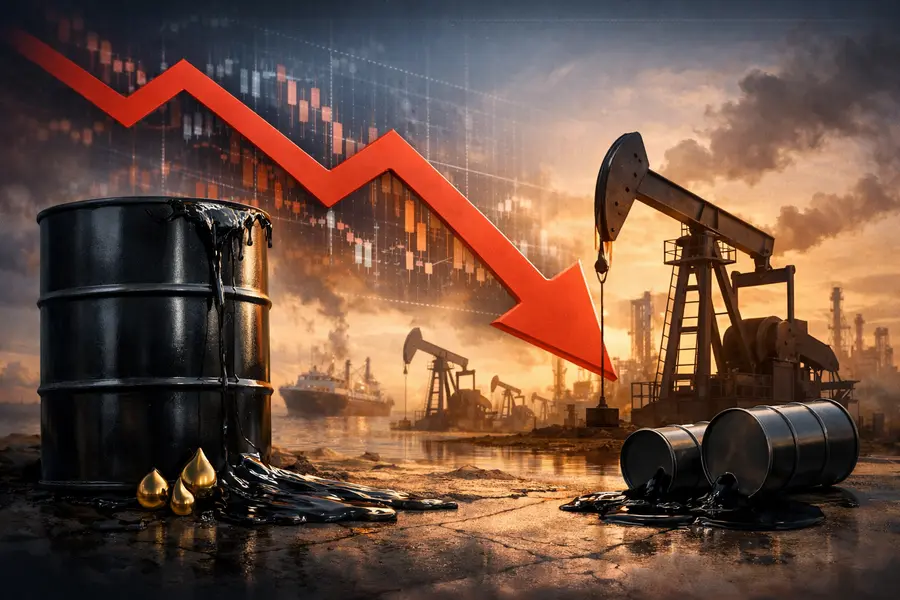
Global energy markets registered immediate and severe volatility as news of the assault broke. Analysts at major trading houses projected crude oil prices could surge $10 to $20 per barrel or more, with some forecasting the possibility of Brent crude exceeding $110 per barrel if the Strait of Hormuz — through which approximately 20% of global oil supply transits daily — is blocked or significantly disrupted.
Iran's Revolutionary Guards announced that passage through the Strait of Hormuz "is not allowed," triggering immediate suspensions of crude oil and fuel shipments by several major oil majors and top commodity trading houses. Patrick De Haan of GasBuddy confirmed that U.S. retail gasoline prices are expected to rise sharply in the days ahead.
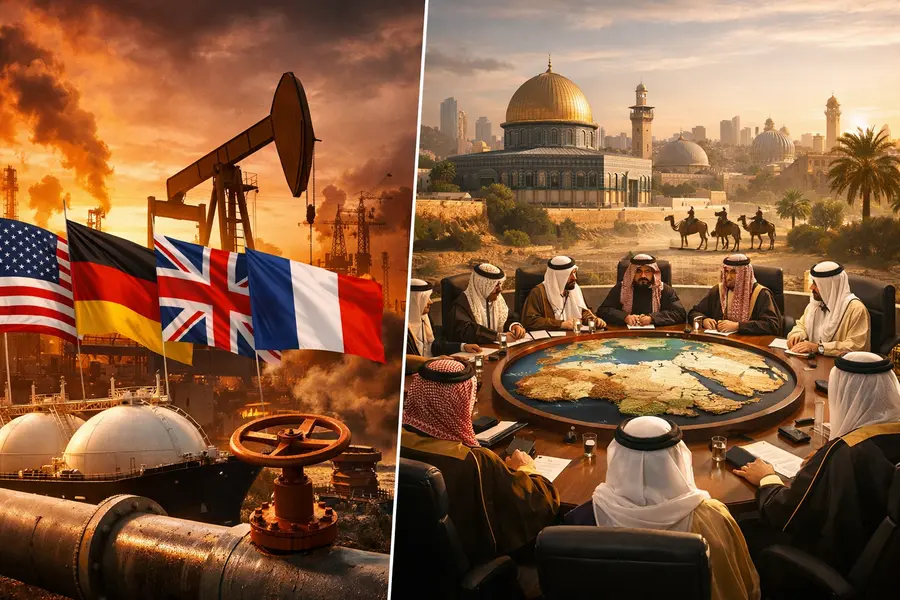
Saudi Arabia and the UAE moved swiftly to increase crude exports in anticipation of supply disruptions, as OPEC spare capacity entered the spotlight as the primary global buffer against an Iranian-linked shortfall. The region's energy infrastructure has been placed on high alert, given Iran's history of retaliatory strikes on neighboring facilities, most notably the 2019 drone attack on Saudi Aramco's Abqaiq processing plant.
---
CIA Assessment: IRGC Likely to Fill Power Vacuum
Prior to the strikes, the Central Intelligence Agency produced assessments over a two-week period analyzing post-strike scenarios in Iran. The CIA concluded that even if Khamenei was killed, he would likely be replaced by hardline elements from the Islamic Revolutionary Guard Corps (IRGC), making the U.S. stated goal of regime change significantly more complex to achieve.
Trump declared in an early morning video address that Tehran operates as a "terrorist regime" and urged the Iranian people to rise up, framing the military campaign as creating conditions for a democratic transition. Netanyahu stated the campaign "will last until the Iranian people are free."
Secretary of State Marco Rubio had briefed congressional leadership — the Gang of Eight — late Friday night that the operation was imminent. Prior nuclear negotiations in Geneva had failed to produce an agreement, removing the last diplomatic obstacle to military action.
---
Global Political Reaction and Market Outlook
The UN Security Council convened an emergency meeting in response to the strikes, with world leaders calling for "restraint." Ukrainian President Volodymyr Zelensky expressed support, stating hopes for the "fall of the terrorist regime in Tehran." Hezbollah condemned the strikes but stopped short of pledging direct retaliation against Israel.
Hundreds of protesters gathered at Times Square in New York City, while Iraqi Shia groups took to the streets in Baghdad. Iran's government officially maintained that President Pezeshkian survived the operation. Iran's state media reported at least 40 civilian casualties in a strike on a girls' school in southern Tehran.
Global markets face a structurally altered risk environment heading into next week. Defense sector equities, energy stocks, and safe-haven assets such as gold and the U.S. dollar are all positioned for significant movement when trading resumes Monday. The Strait of Hormuz closure threat represents the most acute geopolitical oil supply risk the global economy has faced since the 1973 Arab oil embargo.
---
Key Developments Summary: Iranian Supreme Leader Ayatollah Ali Khamenei is reported killed following a joint U.S.-Israeli military strike on February 28, 2026. Seven senior Iranian officials are confirmed dead. Iran retaliated with 170 ballistic missiles targeting Israel and Gulf states. The Strait of Hormuz faces closure risk, threatening a potential $20+ per barrel spike in crude oil prices. The CIA warned that hardline IRGC elements are positioned to assume power in the event of a leadership vacuum. Global markets are bracing for extraordinary volatility when trading resumes.